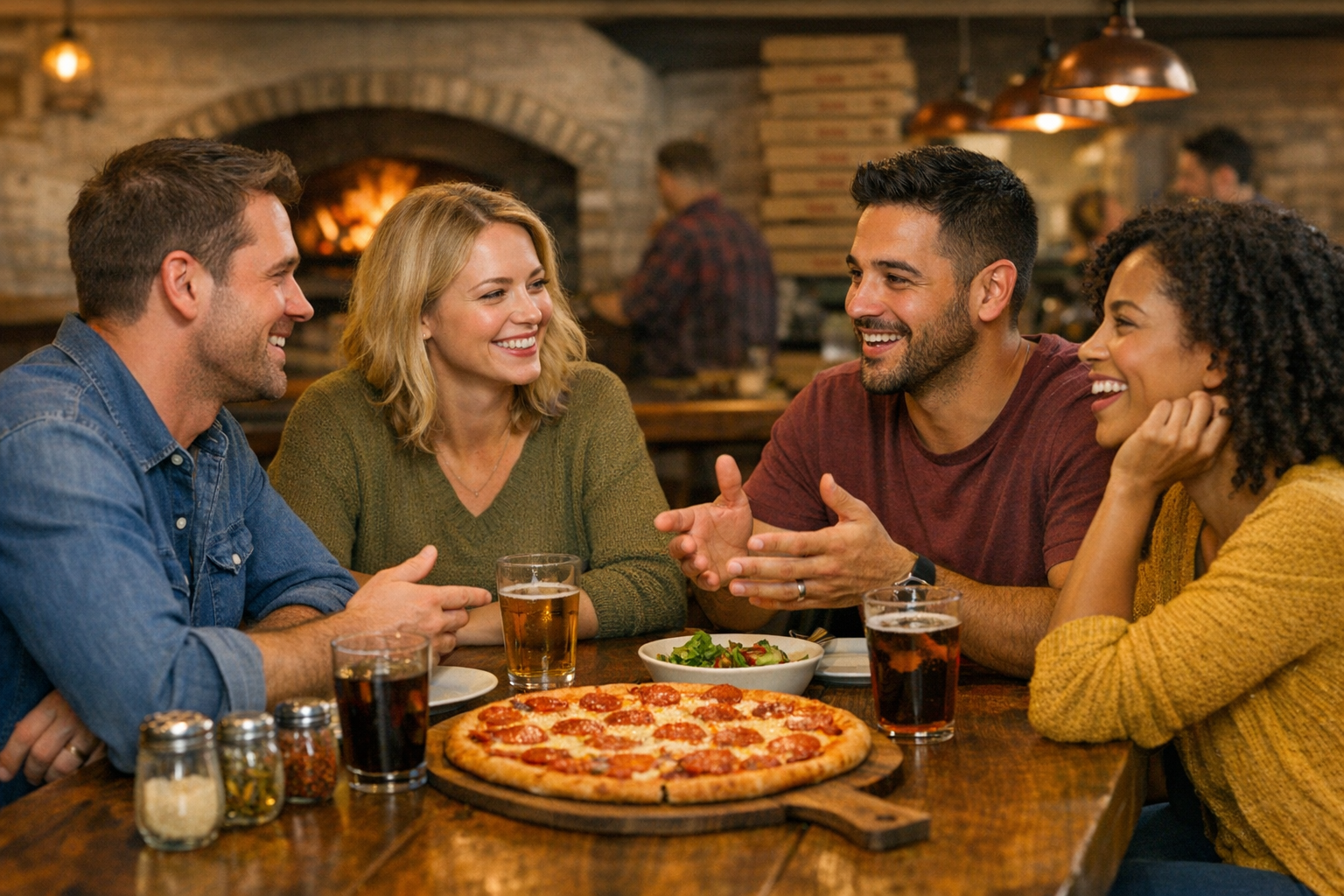
Welcome to our FAQ section, where we address common questions about pizzerias, dining culture, and what makes these establishments such beloved parts of American urban life. Whether you're a first-time visitor or a regular patron, you'll find helpful information here.
About Pizzerias
Are pizzerias casual restaurants?
Yes, pizzerias are typically considered casual dining establishments. They offer a relaxed, informal atmosphere where diners can feel comfortable without dressing up. Most pizzerias welcome walk-in customers and don't require reservations, though some popular spots may have wait times during peak hours. The casual nature of pizzerias makes them accessible to everyone, from families with children to groups of friends gathering after work.
What makes pizzerias family-friendly?
Pizzerias excel as family-friendly destinations for several reasons. The casual atmosphere means children are welcome and can be themselves without worry. Pizza itself is a universally liked food that appeals to even picky eaters. Many pizzerias offer high chairs, kid-friendly menus, and sometimes even activities to keep young diners entertained. The sharing style of pizza dining also encourages family interaction and makes meals feel more communal and less formal.
Do I need to make a reservation at a pizzeria?
It depends on the establishment. Many neighborhood pizzerias operate on a first-come, first-served basis and don't accept reservations. However, some higher-end or particularly popular pizzerias may take reservations, especially for larger groups. If you're planning to visit during peak dining hours (Friday or Saturday evenings) or with a large party, it's always a good idea to call ahead and ask about their reservation policy.
What's the typical price range at a pizzeria?
Pizzeria pricing varies widely depending on the style and location of the establishment. Neighborhood slice shops might offer individual slices for $3-5, while sit-down restaurants typically charge $15-25 for a whole pizza. Upscale or specialty pizzerias may charge $25-40 or more for artisanal pizzas. Most pizzerias also offer appetizers, salads, and drinks, so expect to spend $20-40 per person for a full meal at a typical sit-down pizzeria.
Dining Experience
How long does a typical pizzeria meal take?
A typical pizzeria meal usually takes 45-90 minutes from arrival to departure. This includes time to be seated, review the menu, place your order, wait for food preparation (15-20 minutes for most pizzas), eat, and settle the bill. Of course, this can vary based on how busy the restaurant is, the size of your party, and whether you're lingering over conversation. Pizzerias generally don't rush customers, so feel free to take your time and enjoy the experience.
Can I customize my pizza order?
Absolutely! Most pizzerias offer customization options, allowing you to add or remove toppings to suit your preferences. Some establishments have set menus with limited modifications, while others encourage creative combinations. Don't hesitate to ask your server about customization possibilities. If you have dietary restrictions or allergies, always inform your server so they can guide you toward safe options and ensure proper preparation.
Are pizzerias good for large groups?
Yes, pizzerias are excellent choices for large groups. The sharing nature of pizza makes it easy to accommodate different tastes and preferences. Many pizzerias have large tables or can combine smaller tables to accommodate bigger parties. Some establishments even have private dining areas or semi-private spaces for group events. If you're planning to visit with a large group (8+ people), it's wise to call ahead to ensure they can accommodate your party size.
What should I wear to a pizzeria?
Most pizzerias have a casual dress code, so comfortable, casual attire is perfectly appropriate. Jeans, t-shirts, and casual shoes are standard. You don't need to dress up unless you're visiting a particularly upscale establishment. If you're unsure about the dress code, a quick phone call can clarify expectations. The key is to wear something that makes you comfortable and allows you to enjoy your meal without worrying about your appearance.
Food and Menu
What types of pizza are typically available?
Pizzeria menus vary widely, but most offer a range of options. Classic styles include Margherita (tomato, mozzarella, basil), Pepperoni, and various vegetable combinations. Many pizzerias also feature specialty pizzas with unique topping combinations. Some establishments focus on specific regional styles, such as New York-style thin crust, Chicago deep dish, or Neapolitan-style pizzas. Don't hesitate to ask your server about the restaurant's specialties or recommendations.
Do pizzerias offer options for dietary restrictions?
Many modern pizzerias accommodate various dietary needs. Gluten-free crusts are increasingly common, and some establishments offer vegan cheese options. Vegetarian pizzas are standard at most pizzerias. However, options vary by establishment, so it's important to inform your server about any dietary restrictions or allergies. They can guide you toward safe choices and explain how the kitchen handles special requests to avoid cross-contamination.
Can I take leftovers home?
Yes, absolutely! Taking leftover pizza home is common practice at pizzerias. Your server will be happy to package any remaining food for you to take home. Pizza actually reheats quite well, making it an excellent option for lunch the next day. If you know you'll have leftovers, don't hesitate to ask for a box or container when you're finished eating.
What other food options do pizzerias typically offer?
While pizza is the star, most pizzerias offer additional menu items. Common options include appetizers like garlic bread, bruschetta, or fried mozzarella sticks. Salads are popular, ranging from simple house salads to more elaborate options. Some pizzerias also serve pasta dishes, sandwiches, calzones, or desserts like tiramisu and cannoli. The variety allows non-pizza lovers to find something they'll enjoy while still participating in the pizzeria experience.
Etiquette and Tips
How much should I tip at a pizzeria?
Tipping customs vary, but in most American pizzerias, 15-20% of the total bill is standard for good service at sit-down restaurants. For counter-service or takeout, 10-15% is typical. If you receive exceptional service or have a large party, you might consider tipping more. Remember that tips are an important part of your server's income, so fair tipping is appreciated. If you're unsure about local customs, asking your server or checking online reviews can provide guidance.
Is it okay to share tables at busy pizzerias?
At some casual, high-volume pizzerias, particularly in busy urban areas, sharing tables with strangers might be encouraged or even necessary during peak hours. This is more common at counter-service establishments or slice shops. At sit-down restaurants, sharing is less common unless you're part of a large group. If you're asked to share, it's typically done politely and can be a fun way to meet new people. If you prefer not to share, you can always wait for a private table to become available.
Can I bring my own wine or beer to a pizzeria?
This depends on the establishment's liquor license and policies. Some pizzerias are fully licensed and offer a selection of wine and beer. Others may allow you to bring your own, sometimes charging a corkage fee. Still others don't allow outside alcohol at all. The best approach is to call ahead and ask about their policy. If you do bring your own, be respectful of the restaurant's rules and don't bring more than you'll reasonably consume.
What if I have a problem with my order?
If you have any issues with your order—wrong toppings, undercooked pizza, or any other concern—don't hesitate to speak up politely. Most pizzerias want their customers to be satisfied and will gladly correct mistakes. Address the issue with your server as soon as you notice it, and they'll work to resolve it. Being polite and constructive will help ensure a positive outcome. Remember that mistakes happen, and most restaurants appreciate the opportunity to make things right.
General Questions
What makes pizzerias different from other restaurants?
Pizzerias occupy a unique space in the restaurant landscape. They combine the casual, accessible atmosphere of neighborhood gathering spots with the craft and tradition of specialized cuisine. Unlike fast food, pizzerias offer a sit-down experience with table service and a focus on quality. Unlike fine dining, they maintain an informal, welcoming environment where everyone feels comfortable. This balance of quality and accessibility makes pizzerias special places that serve as community hubs in many neighborhoods.
Why are pizzerias considered "third places"?
The concept of "third places" refers to social surroundings separate from home (first place) and work (second place). Pizzerias exemplify this concept because they provide neutral, welcoming spaces where people can gather, socialize, and build community. They're accessible, affordable, and offer a relaxed atmosphere that encourages lingering and conversation. Whether you're meeting friends, celebrating a family occasion, or simply enjoying a meal alone while people-watching, pizzerias serve as important community spaces that strengthen neighborhood connections.
How have pizzerias evolved over time?
Pizzerias have evolved significantly since their introduction to America. Early pizzerias were often simple, family-run establishments serving traditional recipes. Over time, they've diversified to include various regional styles, gourmet ingredients, and innovative cooking techniques. Modern pizzerias often emphasize sustainability, locally-sourced ingredients, and unique flavor combinations. Despite these changes, the core appeal remains the same: good food in a welcoming, community-focused environment. The evolution of pizzerias reflects broader changes in American dining culture while maintaining the traditions that make them special.
What's the best way to discover new pizzerias?
Discovering new pizzerias is part of the fun! Start by exploring your own neighborhood—walk around and notice places you haven't tried. Online reviews and food blogs can provide recommendations and insights. Ask friends, coworkers, and neighbors for their favorite spots. Food apps and websites often feature curated lists of local pizzerias. Don't be afraid to try places that look interesting, even if they're not highly rated. Sometimes the best discoveries are the ones you make yourself by following your curiosity and being open to new experiences.